- Audio
-
Blackberry
- Information
-
Blackberry
(Rubus fruticosus)
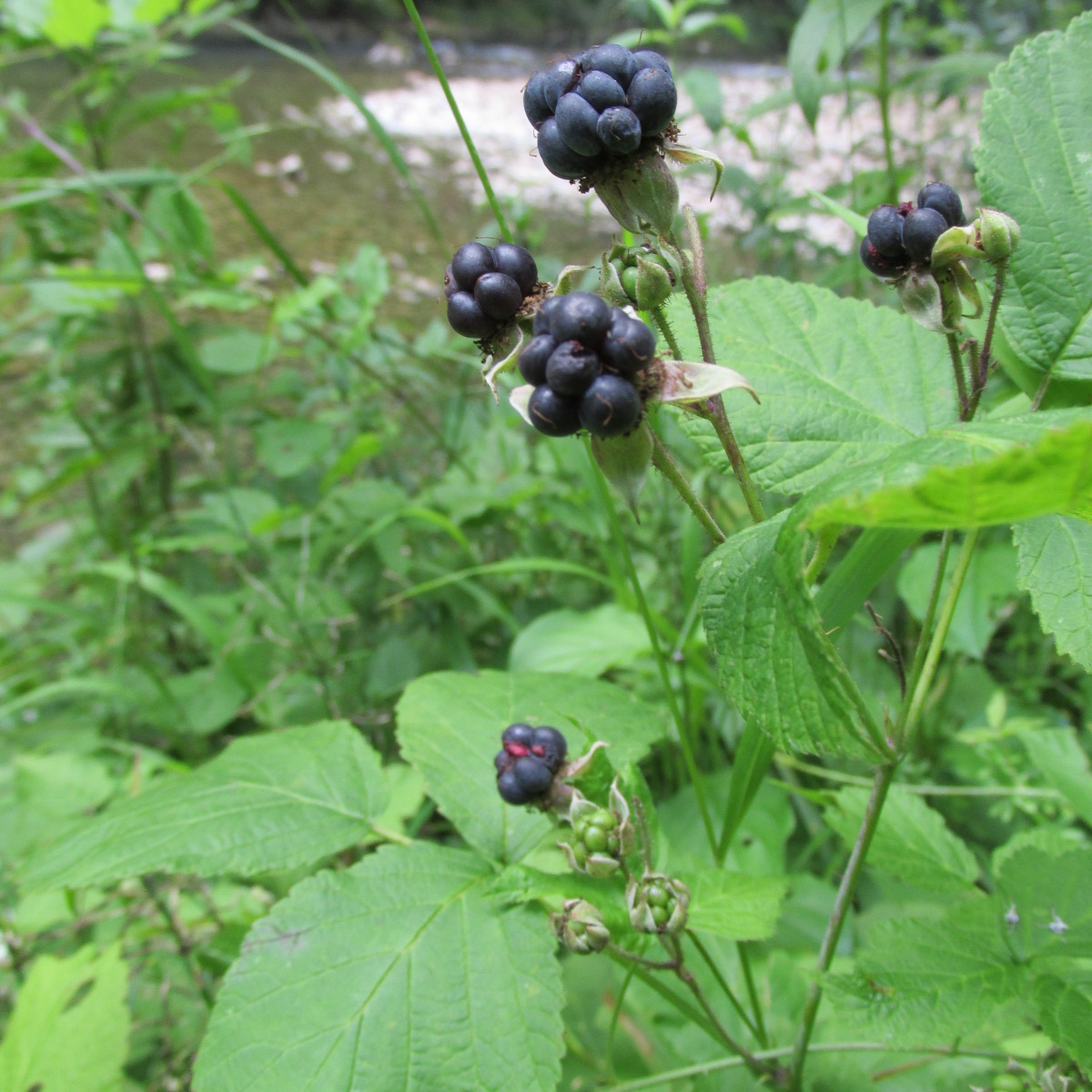
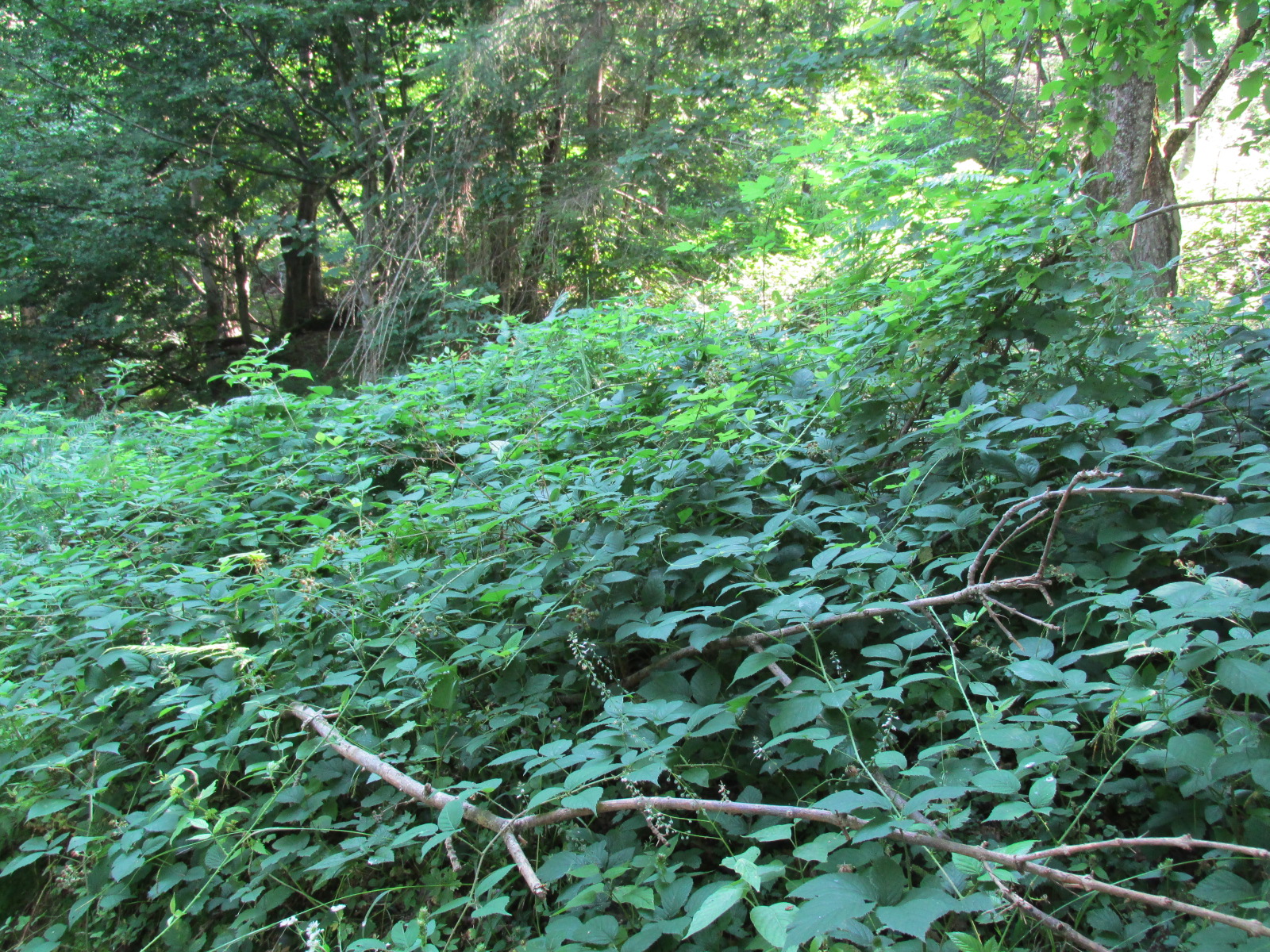
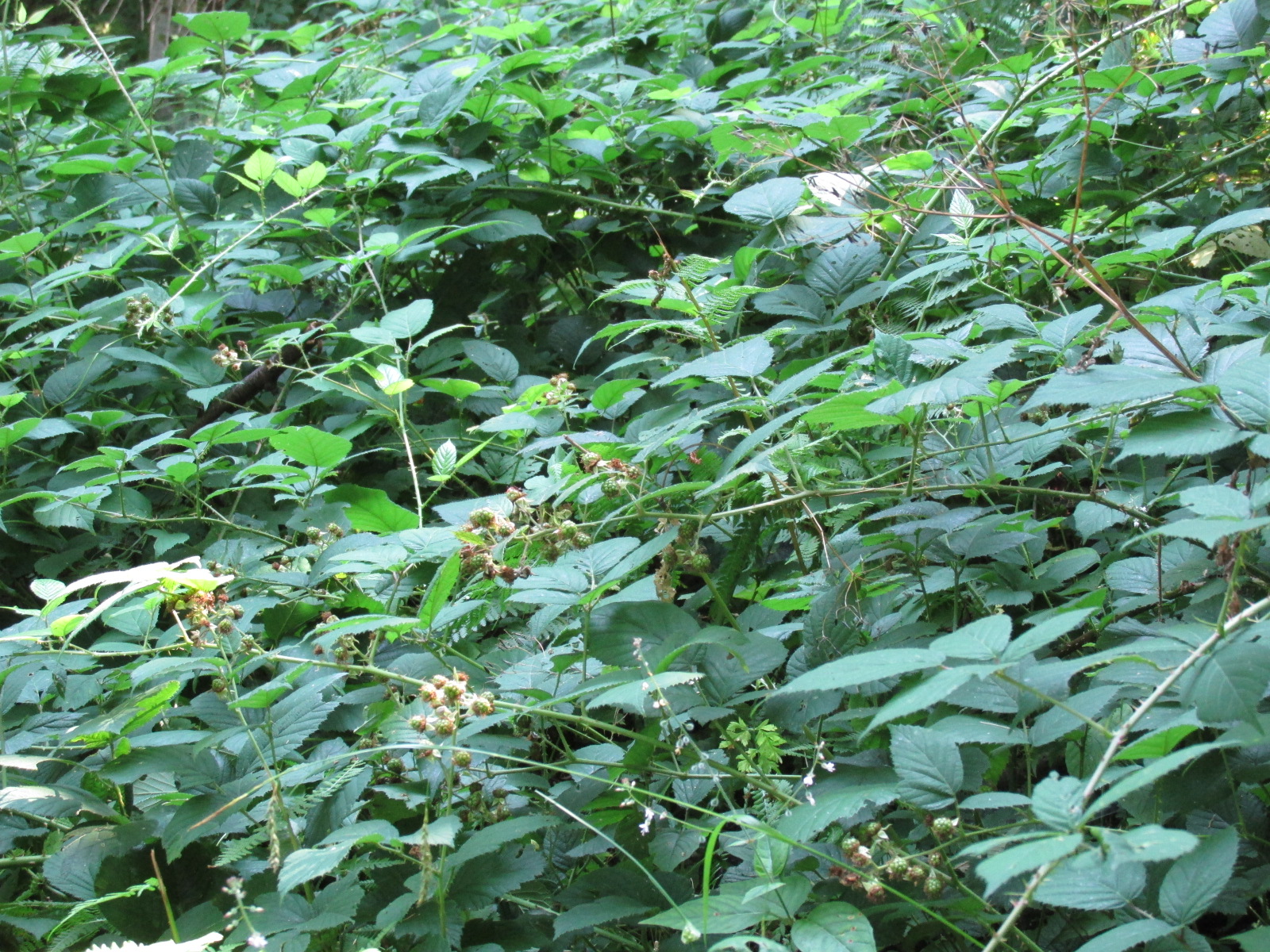
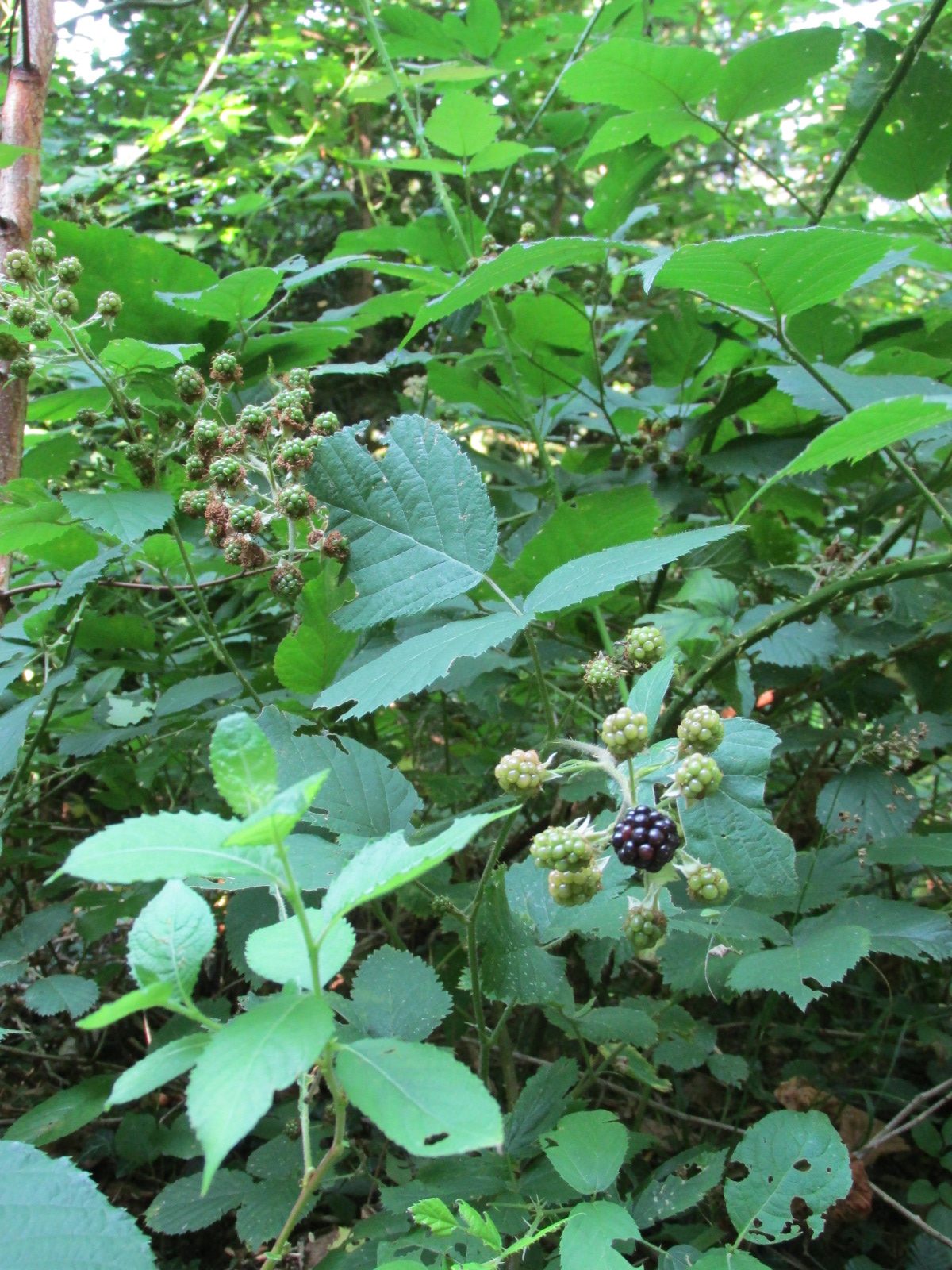
Blackberry grows in forest openings and clearings, at forest edges, wide bright forest roads and along field edges. It acquired its scientific name after the Latin word ruber = red and fruticosus = a dense shrub.
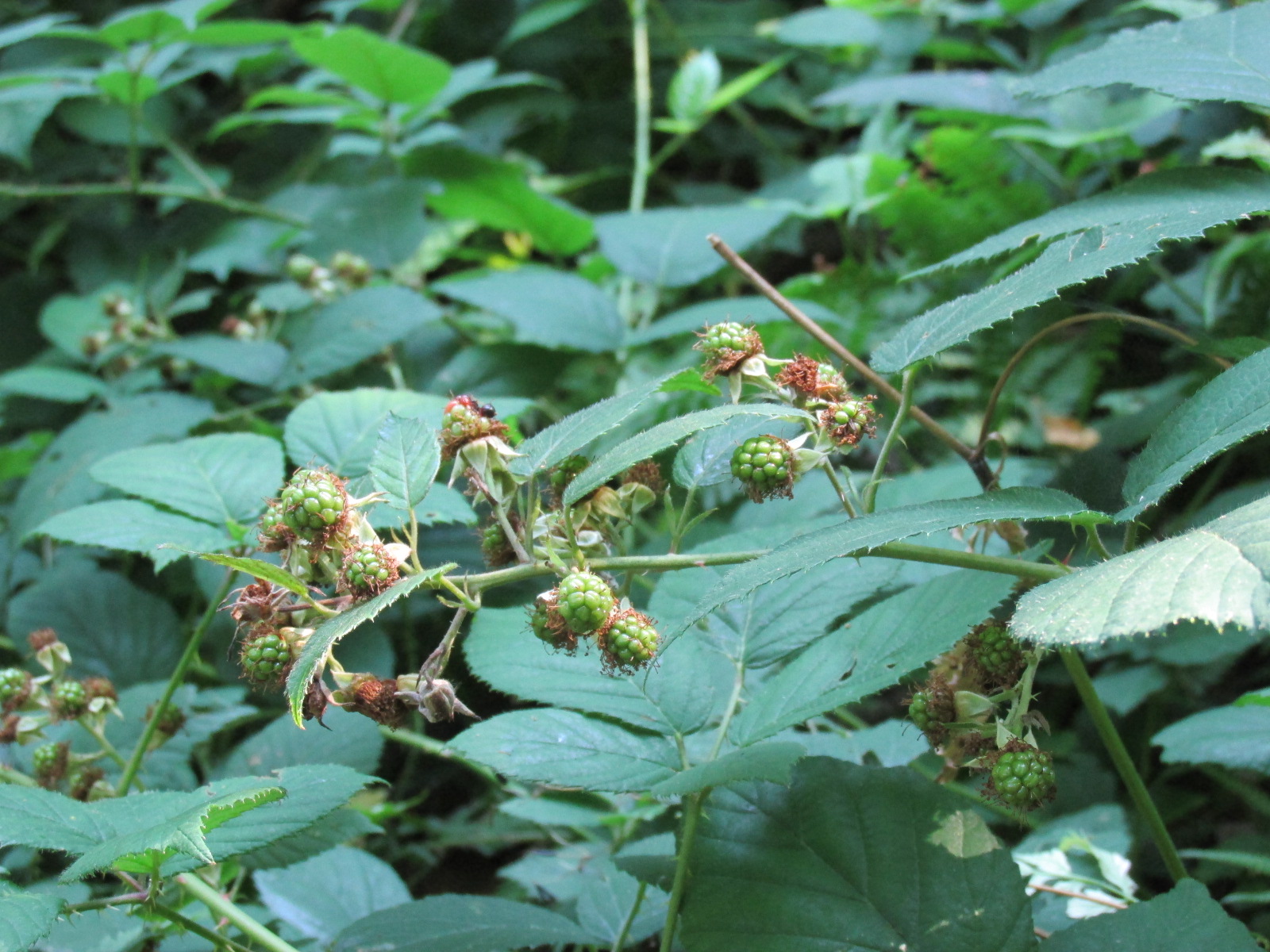
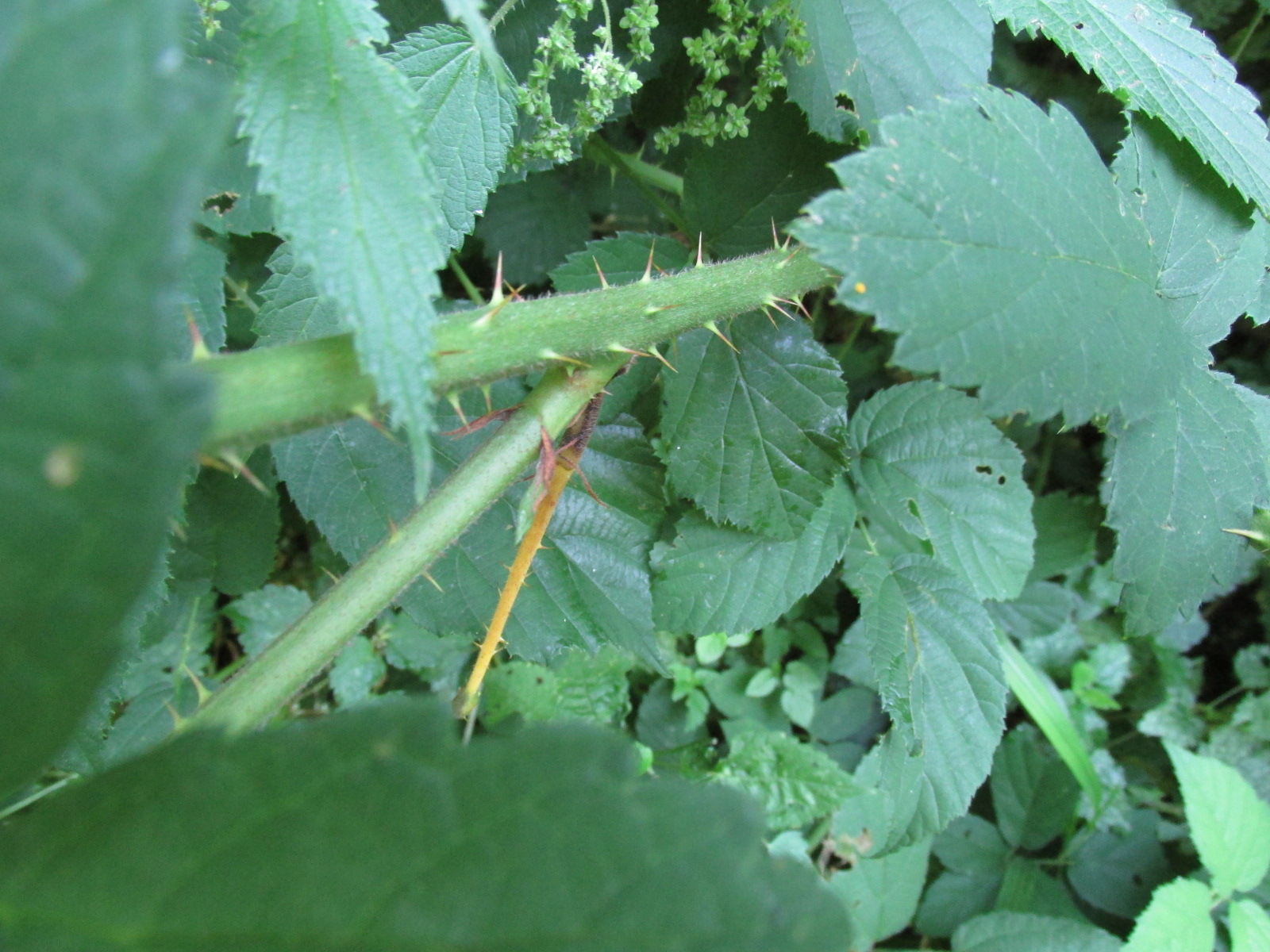
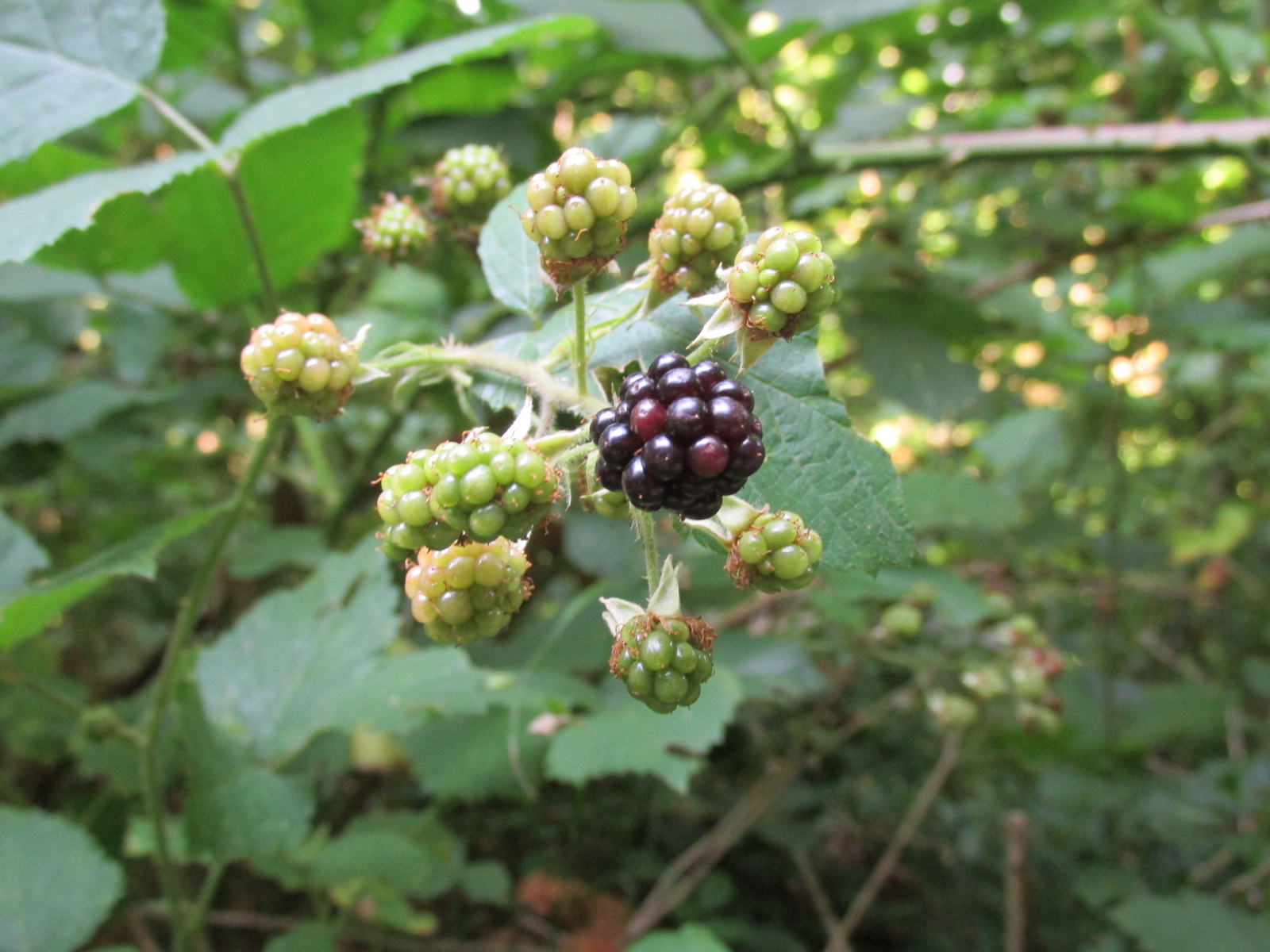
Blackberries can grow up to 3 m tall. The thorns on the branches serve for climbing, as well as a defence against animals which eat their leaves. It is interesting to mention that in dry areas, the lower leaves are hairy, whilst in damp areas, are completely hair-less. Its flowering period lasts from June to August. After that, each individual flower develops a tasty, small berry-like red fruit which later becomes dark blue to black.
Blackberries havea high nutritional value, more fibres than the majority of other fruits and are even ten times richer in anti-oxidants than tomatoes or broccoli. They contain a specific antioxidant - ellagic acid, which has proven very effective in the fight against cancer.
The fruit is edible, and is used to make juices, jams, wine, etc. Blackberry leaves are used in various teas, which have a beneficial effect as they lower blood pressure and blood sugar levels. Smokers wishing to give up can chew its young shoots and buds easier, as after chewing cigarettes are unpalatable.