- Audio
-
Bear's garlic, ramsons, buckrams, wild garlic
- Information
-
Bear's garlic, ramsons, buckrams, wild garlic, broad-leaved garlic, wood garlic, bear leek
(Allium ursinum L.)
Its interesting name is related to the fact that it is the first food that bears eat after leaving their den at the end of winter. It is a spring plant which grows right after the snow, and bears dig up the ground to get at its bulbs.
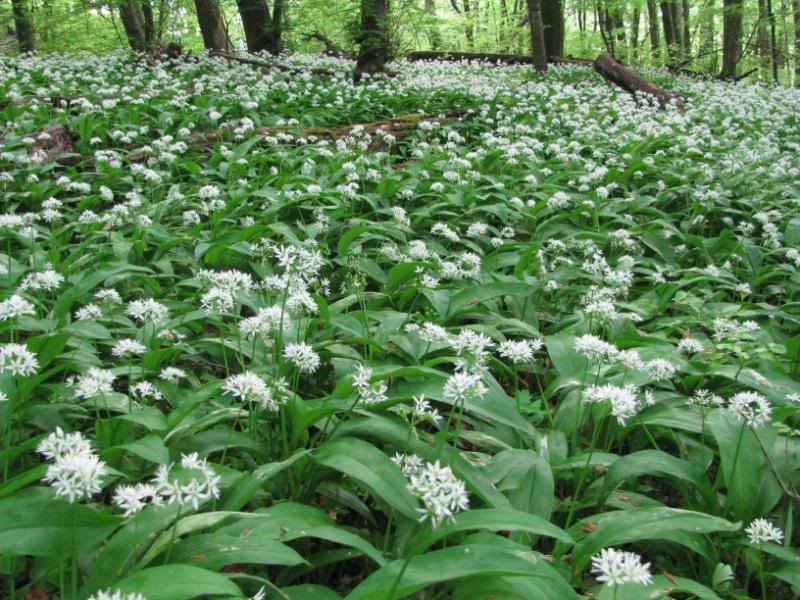
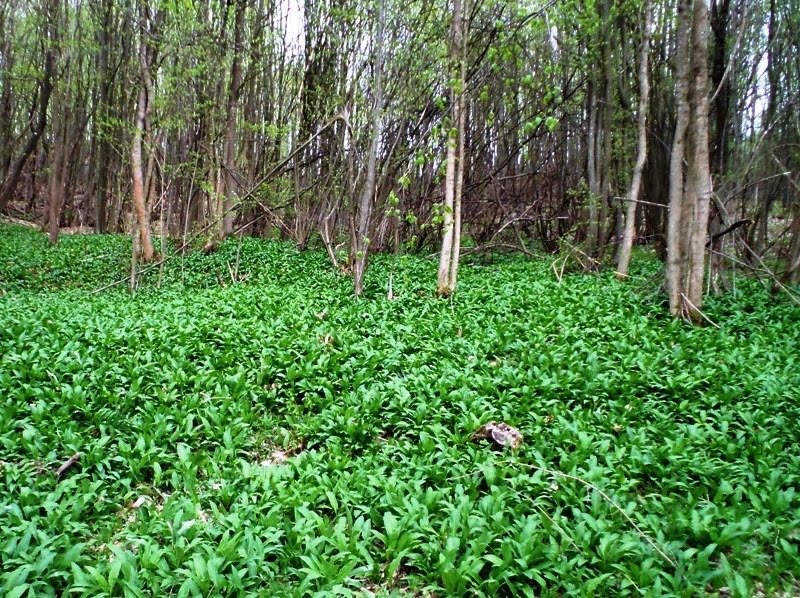
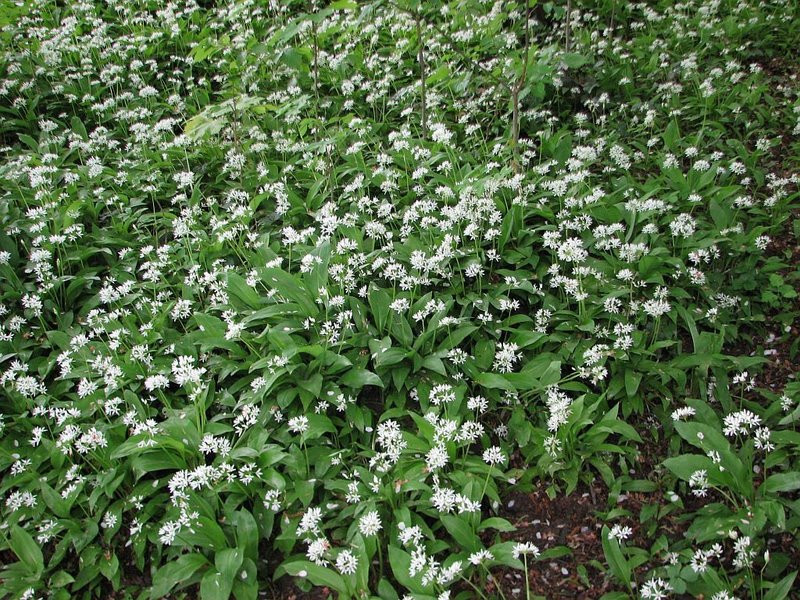
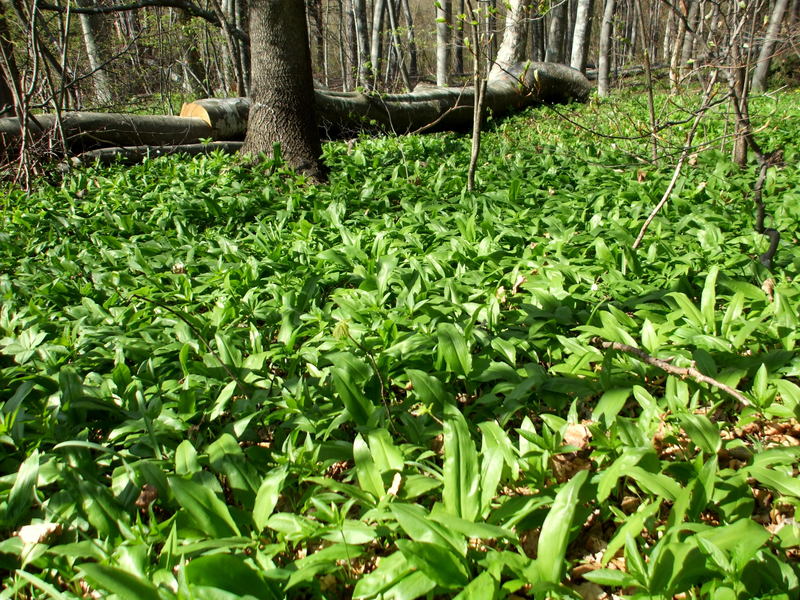
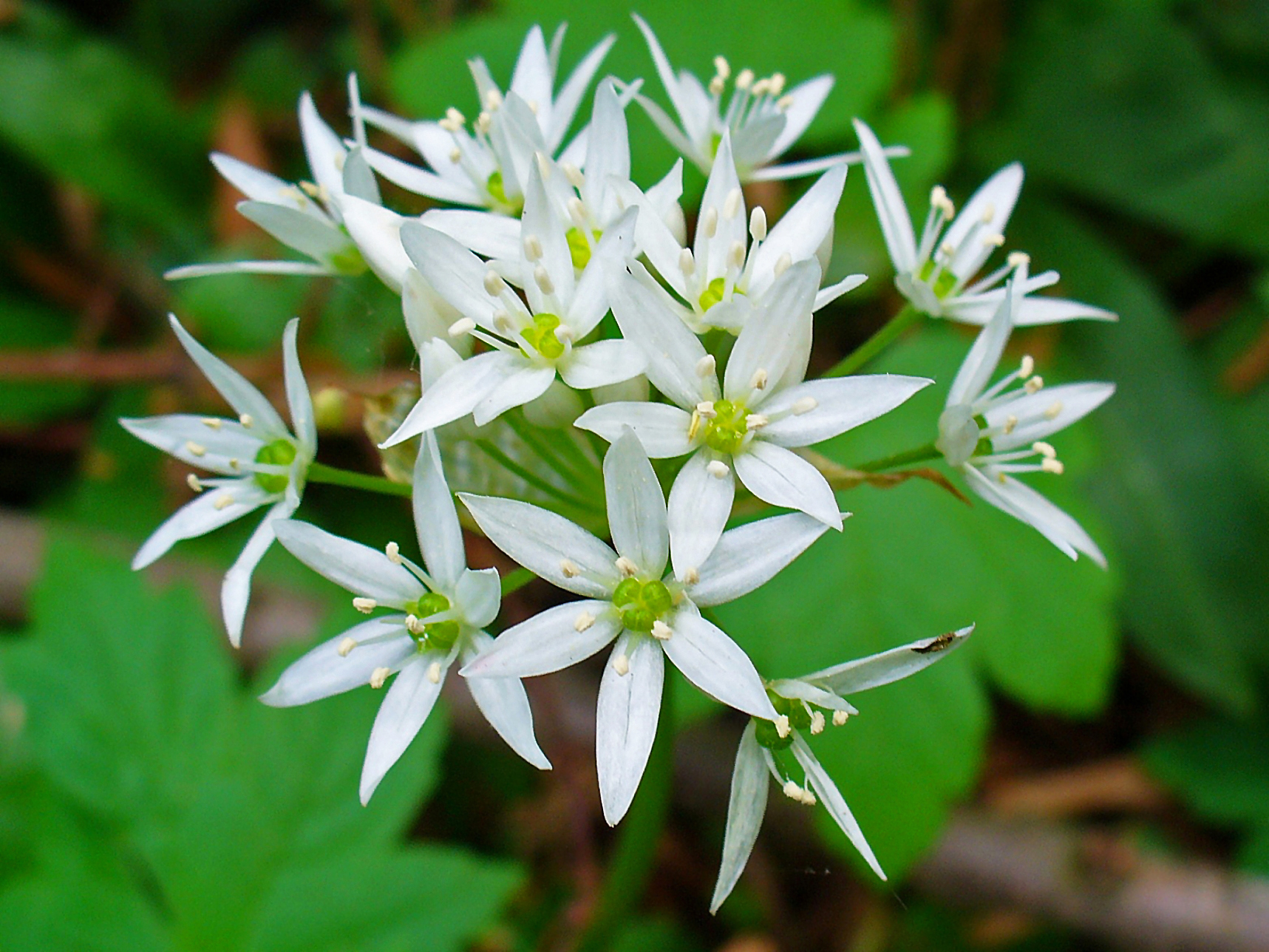
Its habitat is bright forests and hill-sides, protected from the sun. It is related to moist habitats and is often found along rivers and streams. It is 15-30 cm tall, has two wide leaves and snow-white flowers.
It sometimes covers the forest ground completely so its garlic-like smell carries afar. Of all European plants it contains the most sulphur which is the cause of its strong prickly smell. Sulphur compounds have an important role in the resistance of plants against low temperatures and are also used as remedies.
Bear’s garlic is used as a food ingredient or spice, as well as to make various medicinal tinctures, oils and ointments. It is wide-spread in traditional medicine: it lowers blood pressure, contains a lot of Vitamin C, increases appetite, stimulates digestion, improves blood count, and is well-known for its fungicide and bactericide effects.
Picking bear’s garlic is recommended only to experienced connoisseurs. It is possible to confuse it with similar plants which are poisonous (meadow saffron, lily of the valley, white hellebore).